

About The Myth, The Man, The Legendary Voice
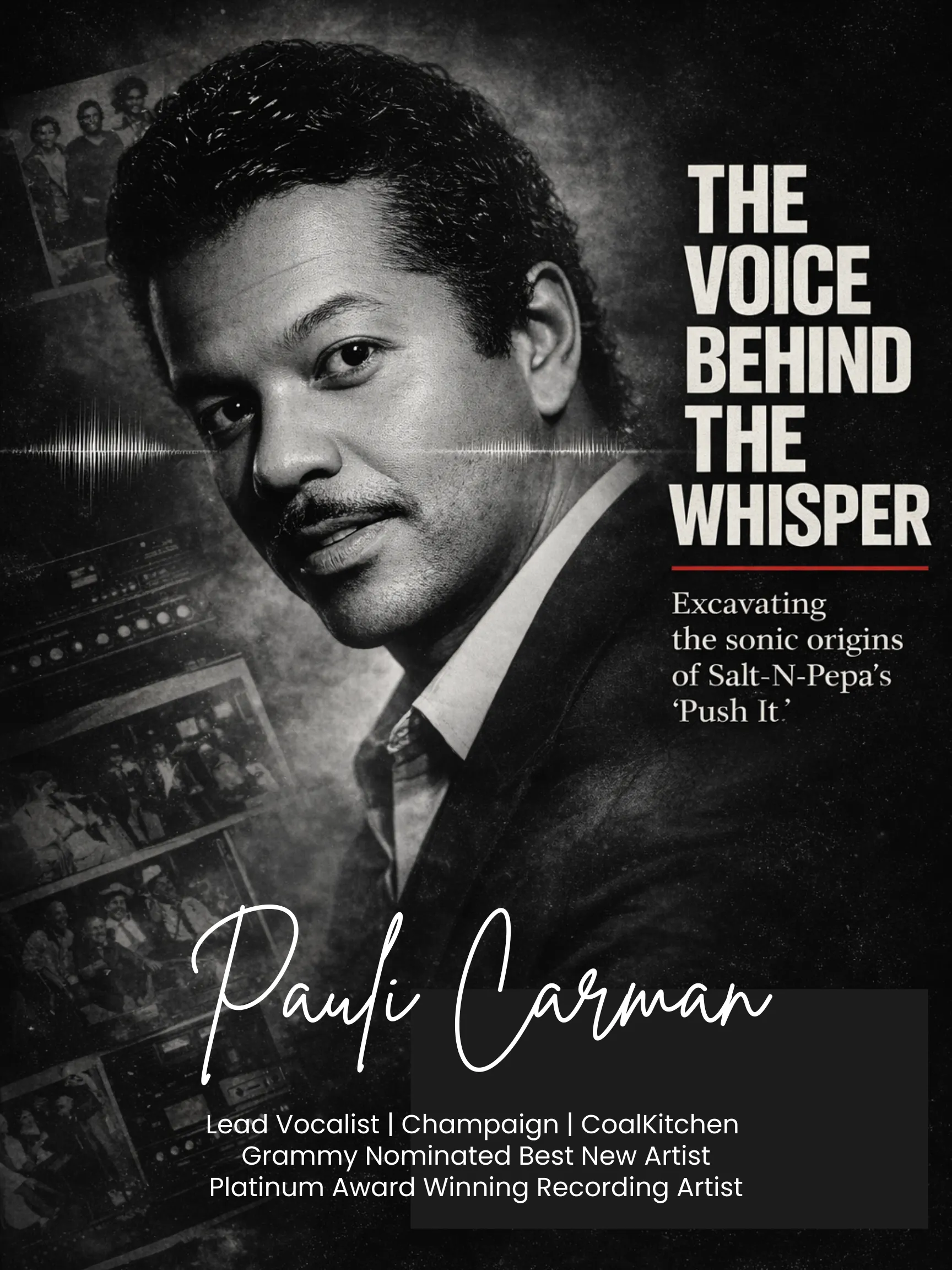
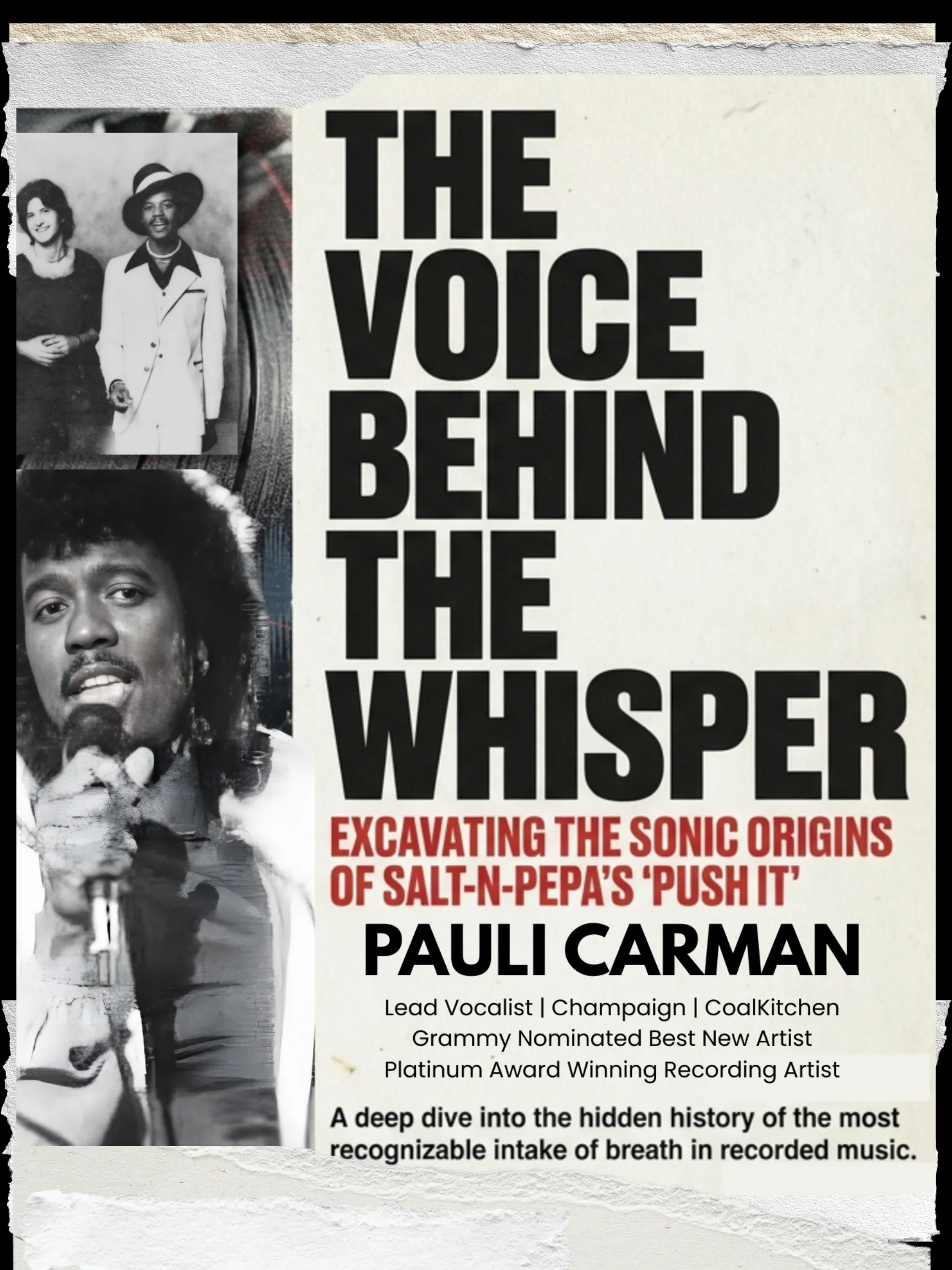
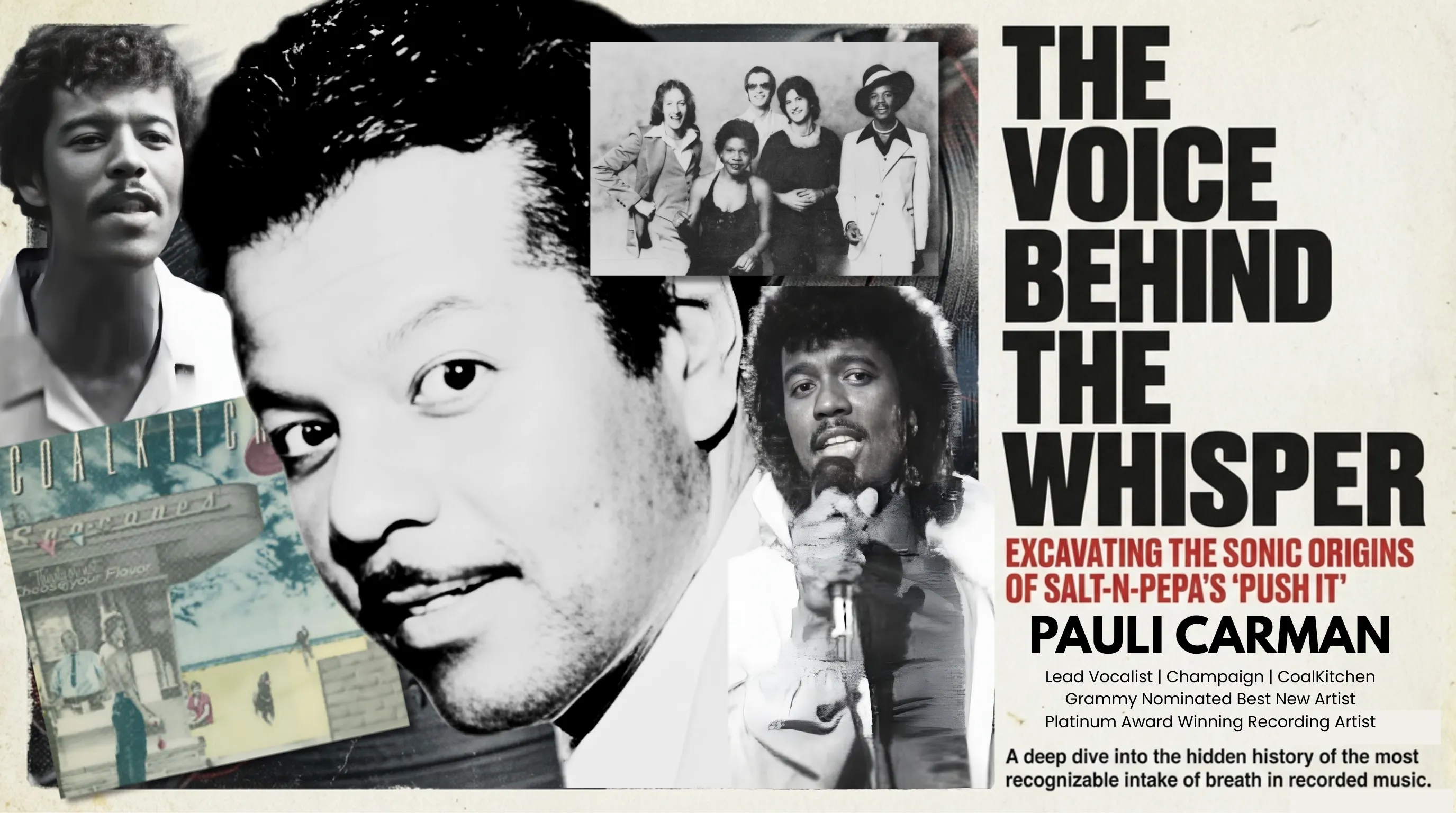
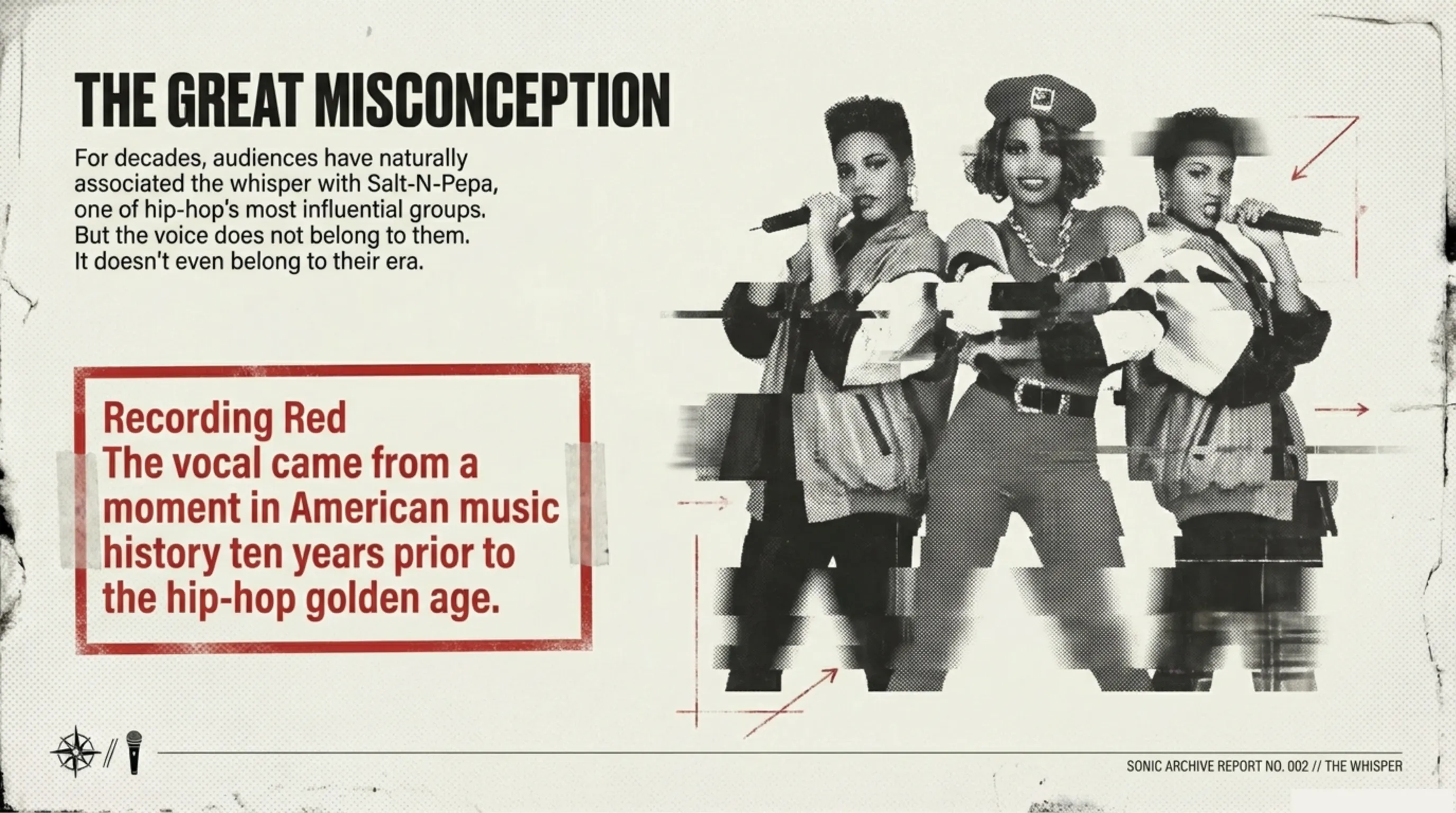
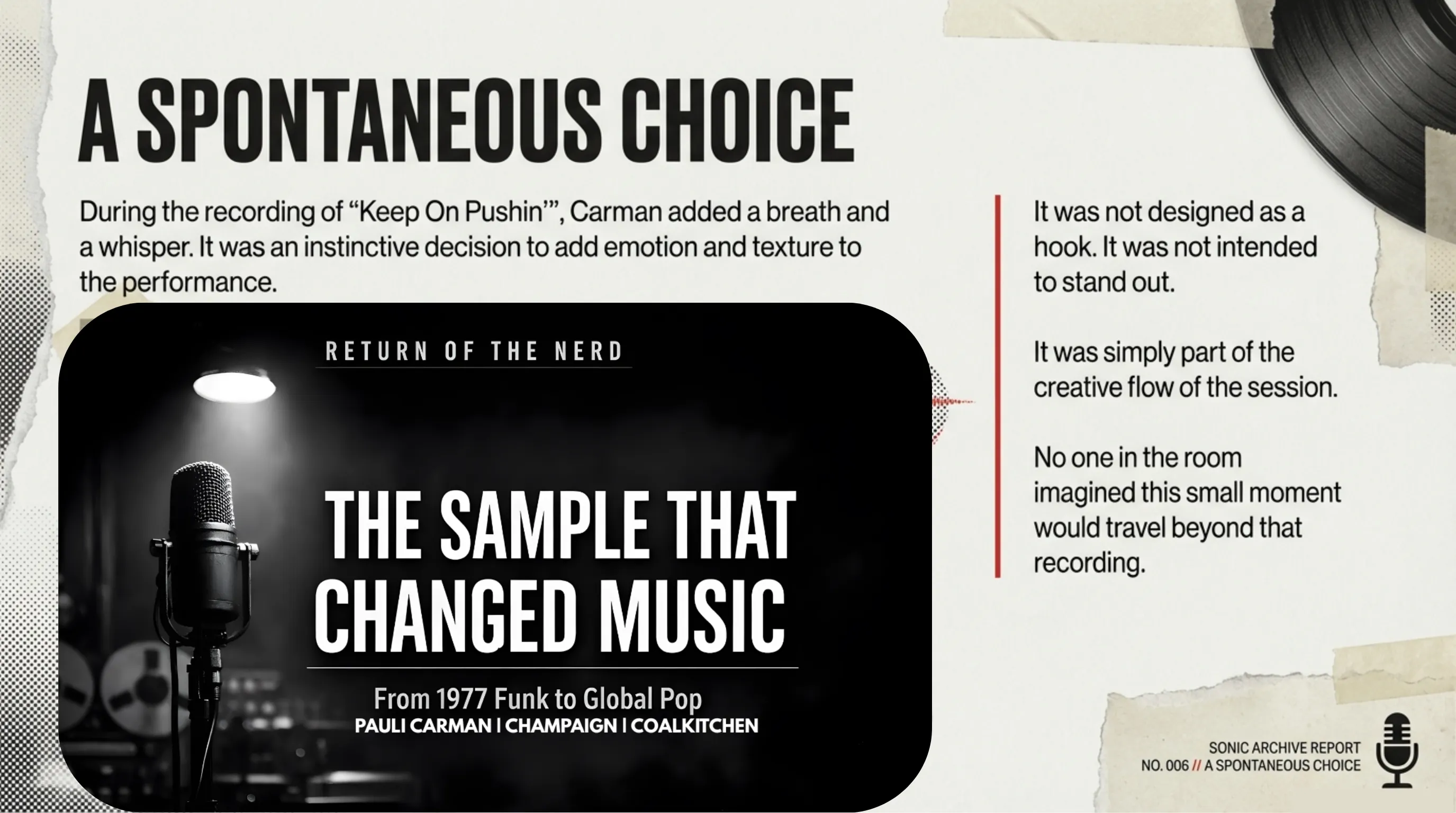
The influence of Champaign and vocalist Pauli Carman extends beyond classic R&B. A vocal element from the 1977 recording “Keep On Pushin’” by Coal Kitchen—featuring Carman—later became part of the sonic DNA behind Salt-N-Pepa’s global hip-hop anthem “Push It.”
The connection highlights a fascinating thread in music history, where soul, funk, and R&B recordings of the 1970s continue to echo through later generations of hip-hop and pop culture.
To explore the artists behind this lineage and hear the music that connects these eras, visit the official websites and discover the recordings that helped shape this enduring sound.
The Voice Behind the Whisper in “Push It”:
The Untold Music History Story
Discover the story behind the famous whisper in Push It and how the voice traces back to Pauli Carman and the 1977 funk recording Keep On Pushin’.
The Voice Behind the Whisper: The Untold Story Behind “Push It”
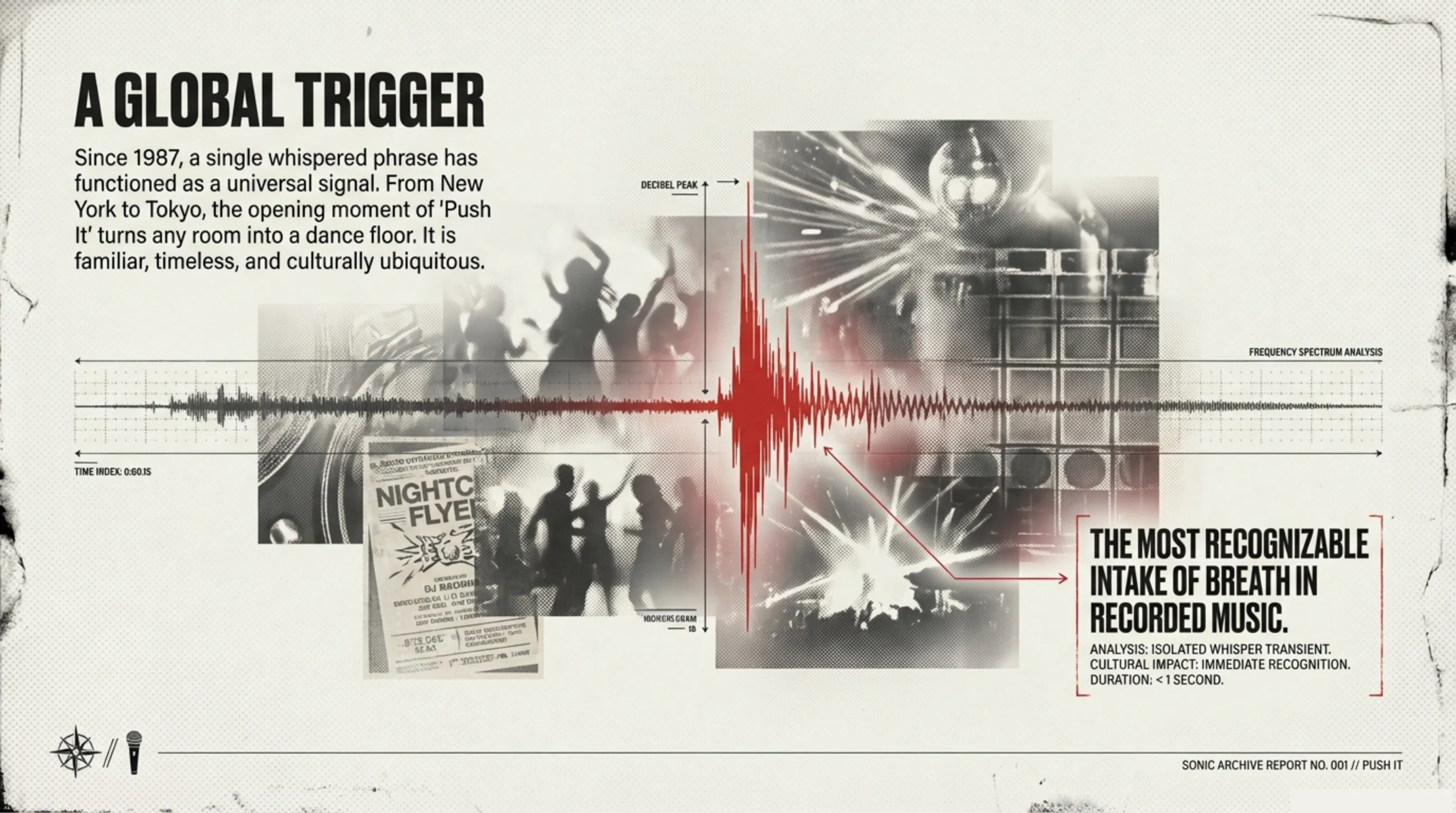
Few sounds in modern music are as instantly recognizable as the whispered vocal that opens the global hip-hop anthem Push It.
For decades, that breathy moment—“Ah… push it”—has electrified dance floors across the world. The record became one of the defining songs of the late 1980s, helping hip-hop cross over into mainstream radio, pop charts, and international club culture.
Yet despite its massive popularity, one simple question has lingered in the background of music history:
Who is the voice behind that whisper?
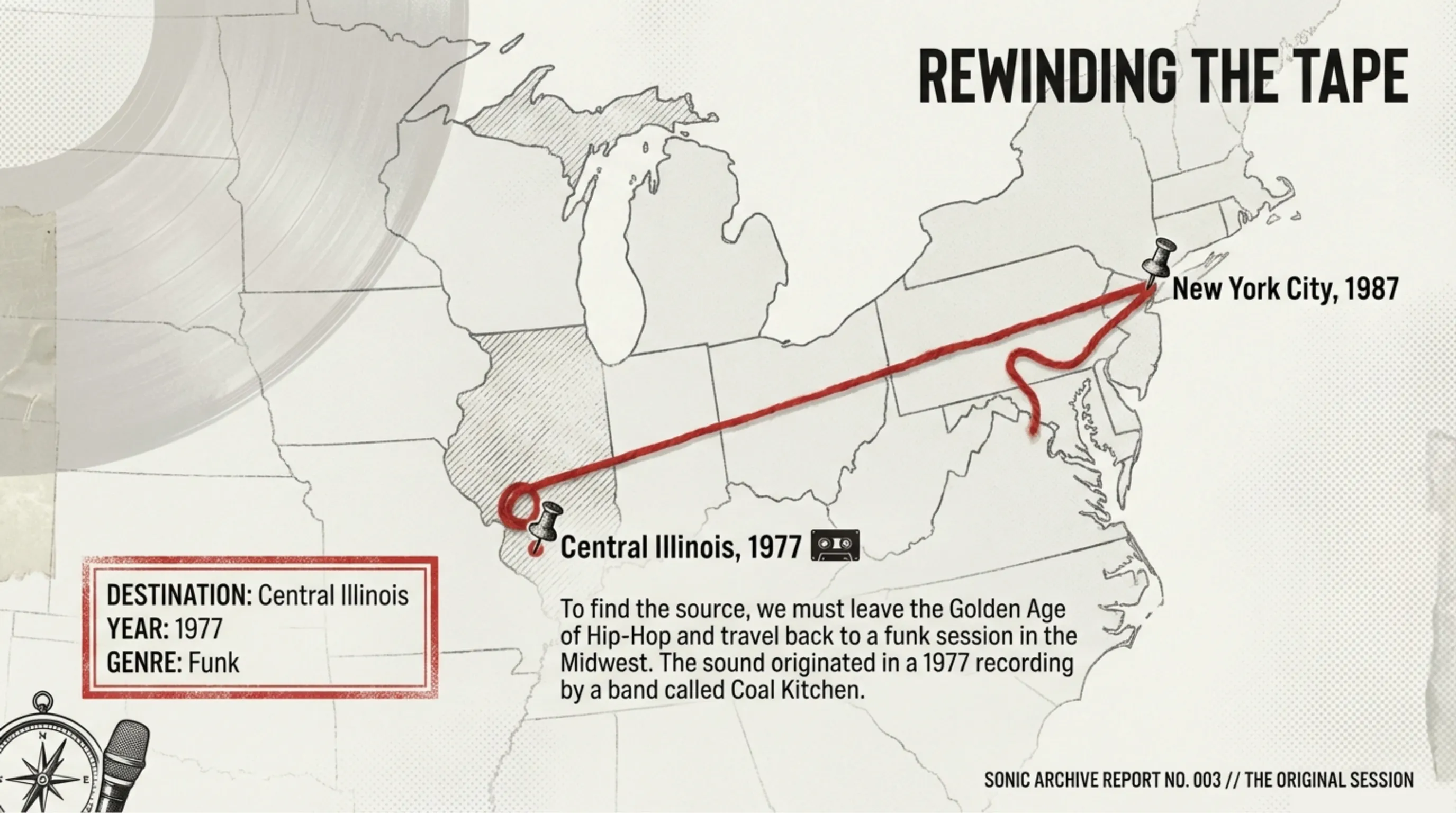
The answer leads back nearly a decade before the song’s release, to a funk recording from the American Midwest and to a vocalist whose work helped shape the sound of modern R&B.
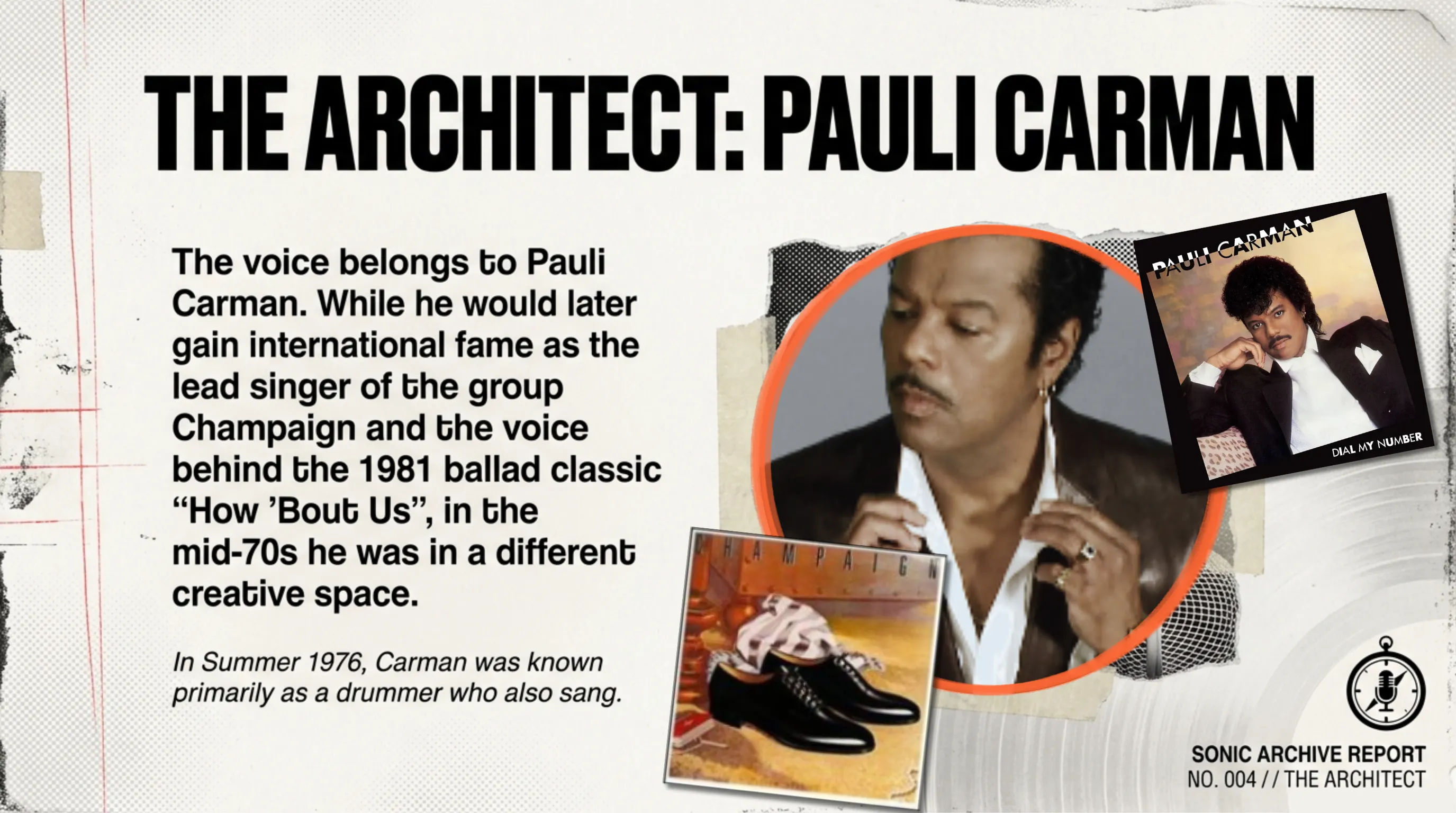
That voice belongs to Pauli Carman, whose earlier recording work would eventually echo across global hip-hop culture.
THE SOUND THE WORLD RECOGNIZES
When Push It exploded onto radio and club playlists in the late 1980s, it quickly became more than just another rap single. Its rhythm, call-and-response vocals, and unforgettable hook transformed the track into a cultural phenomenon.
The song helped cement the place of hip-hop in mainstream popular music. It was played in clubs, on radio stations, and in dance competitions across the world.
At the center of that sonic identity was a short but powerful element: a whispered vocal embedded within the beat.
That whisper became one of the most recognizable vocal textures in modern music.
But its origin was not widely known.
THE QUESTION FANS EVENTUALLY ASK
Many listeners assume the whisper heard in Push It was recorded specifically for the track.
In reality, the vocal element traces back to an earlier recording—one rooted in the rich tradition of 1970s funk and soul music.
To understand that connection, the story must travel back to the Midwest music scene of the 1970s.
THE EARLIER RECORDING: "KEEP ON PUSHIN"
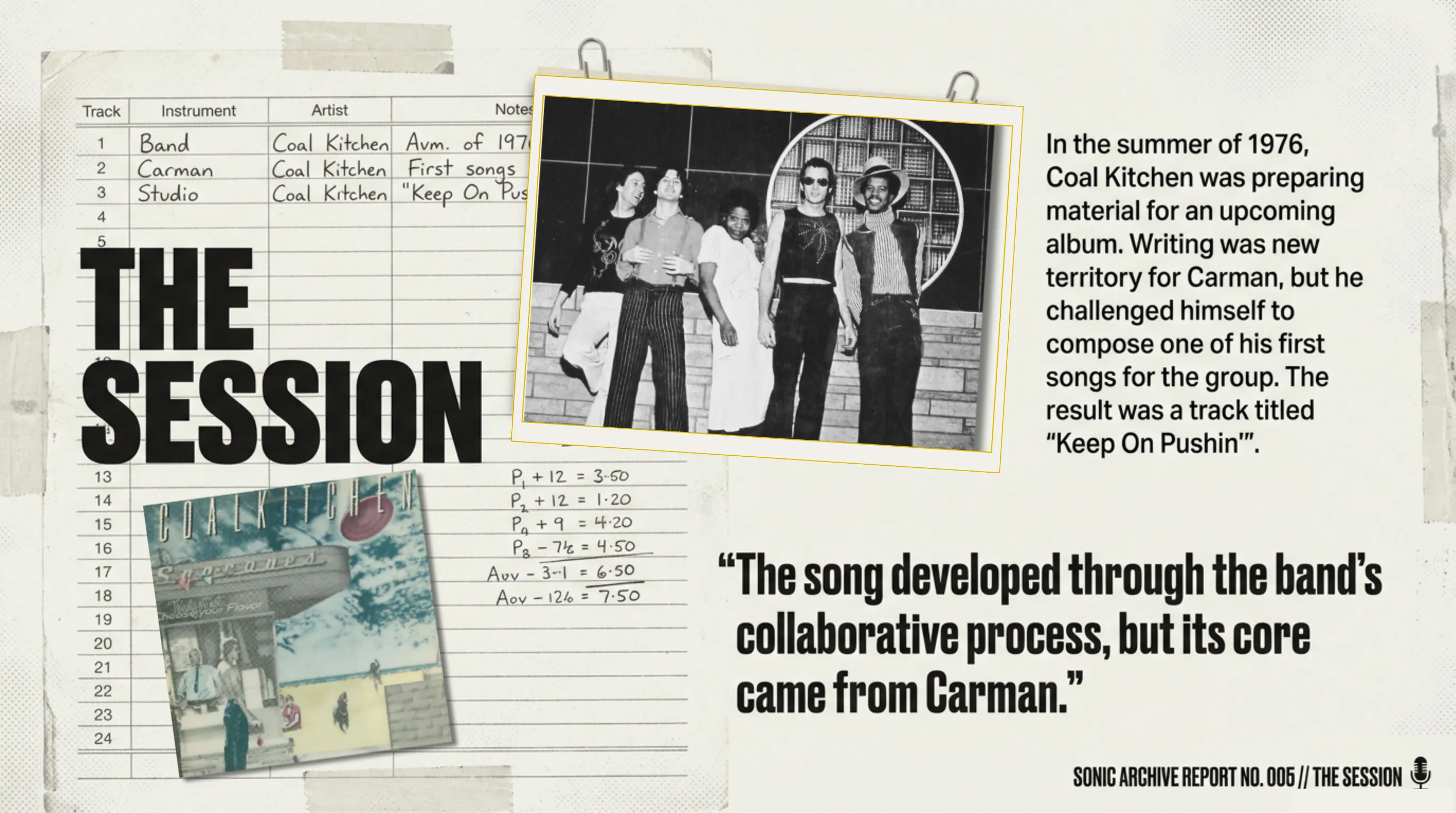
Years before hip-hop producers began transforming older recordings into new musical creations, a funk track titled Keep On Pushin’ was recorded by the group Coal Kitchen.
The song emerged from a vibrant regional music culture where funk, soul, and rhythm and blues blended into energetic studio recordings.
Within that track was a distinctive vocal moment performed by Pauli Carman—a breathy, expressive vocal element that would later take on a second life within the world of hip-hop.
At the time of the recording, the track existed primarily within regional music circles. Like many recordings of that era, it circulated among DJs, collectors, and musicians who appreciated the funk tradition.
What no one could have predicted was that a small vocal moment from that recording would eventually be heard by millions of listeners around the world.
PAULI CARMAN AND THE RISE OF CHAMPAIGN
Following his early recording work, Pauli Carman would become widely recognized as the lead vocalist of the R&B group Champaign.
The group achieved international success in the early 1980s with their hit ballad “How ’Bout Us.” The song became one of the defining recordings of the quiet-storm era and charted internationally.
Carman’s vocal style—smooth, emotional, and distinctive—helped shape the group’s sound and contributed to their reputation within contemporary R&B.
As a vocalist, songwriter, and musician, Carman played a key role in the band’s creative direction and success.
While many listeners associate his voice with Champaign’s classic R&B recordings, the earlier Coal Kitchen recording reveals another fascinating chapter in his musical history.
HOW SOUNDS TRAVEL THROUGH MUSIC
Music rarely evolves in isolation.
Instead, sounds move through time, traveling between artists, genres, and generations.
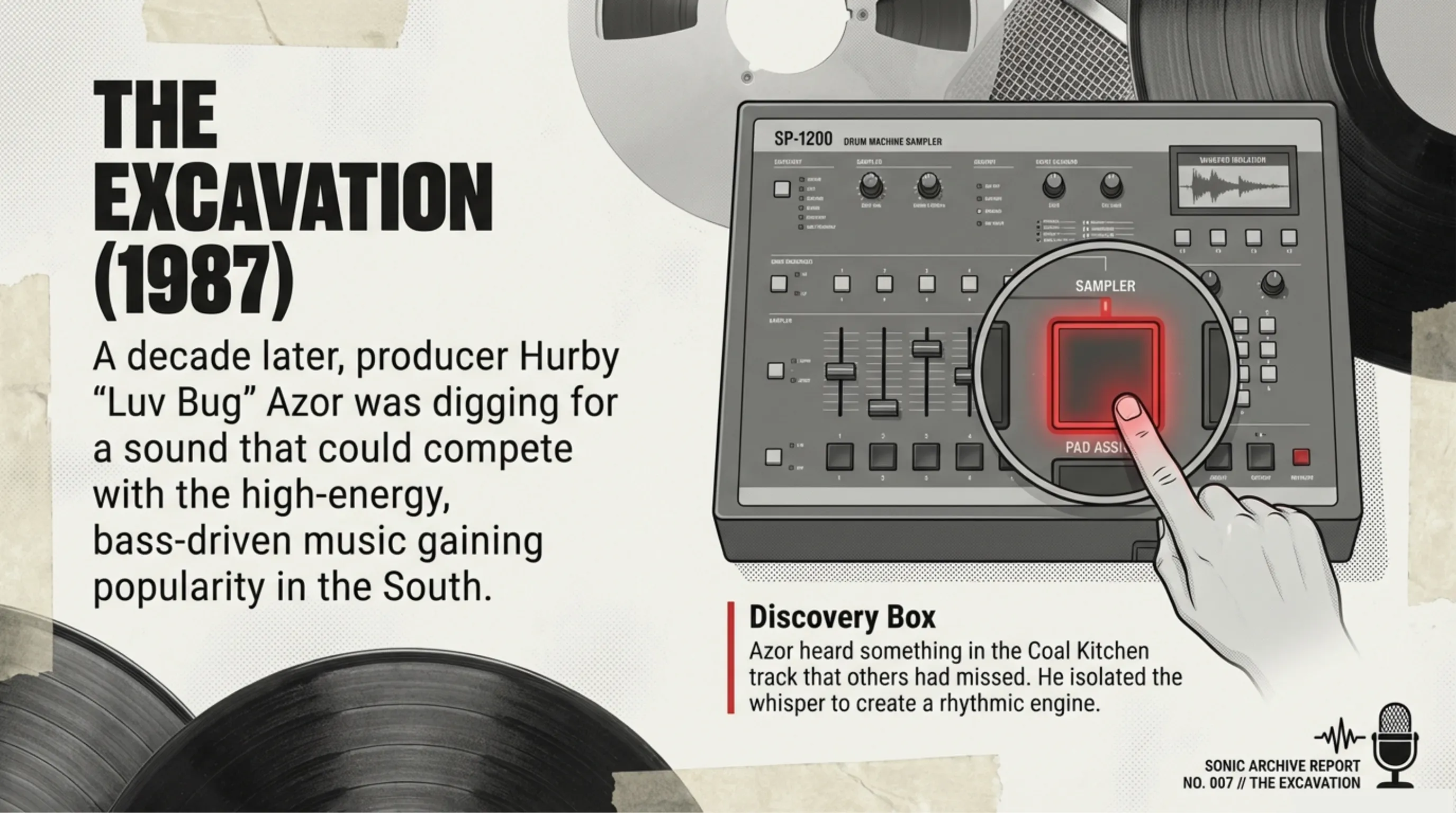
During the 1980s, hip-hop producers began exploring older records to discover unique sounds that could be incorporated into new recordings. DJs and producers searched through vinyl collections—often referred to as “crate digging”—to locate rhythms, vocal fragments, and instrumental textures that could be reimagined within new musical contexts.
This process became known as sampling, and it played a central role in the development of hip-hop production.
A drum break from a funk record could become the foundation of a rap track. A guitar riff from a soul recording might evolve into a new musical hook.
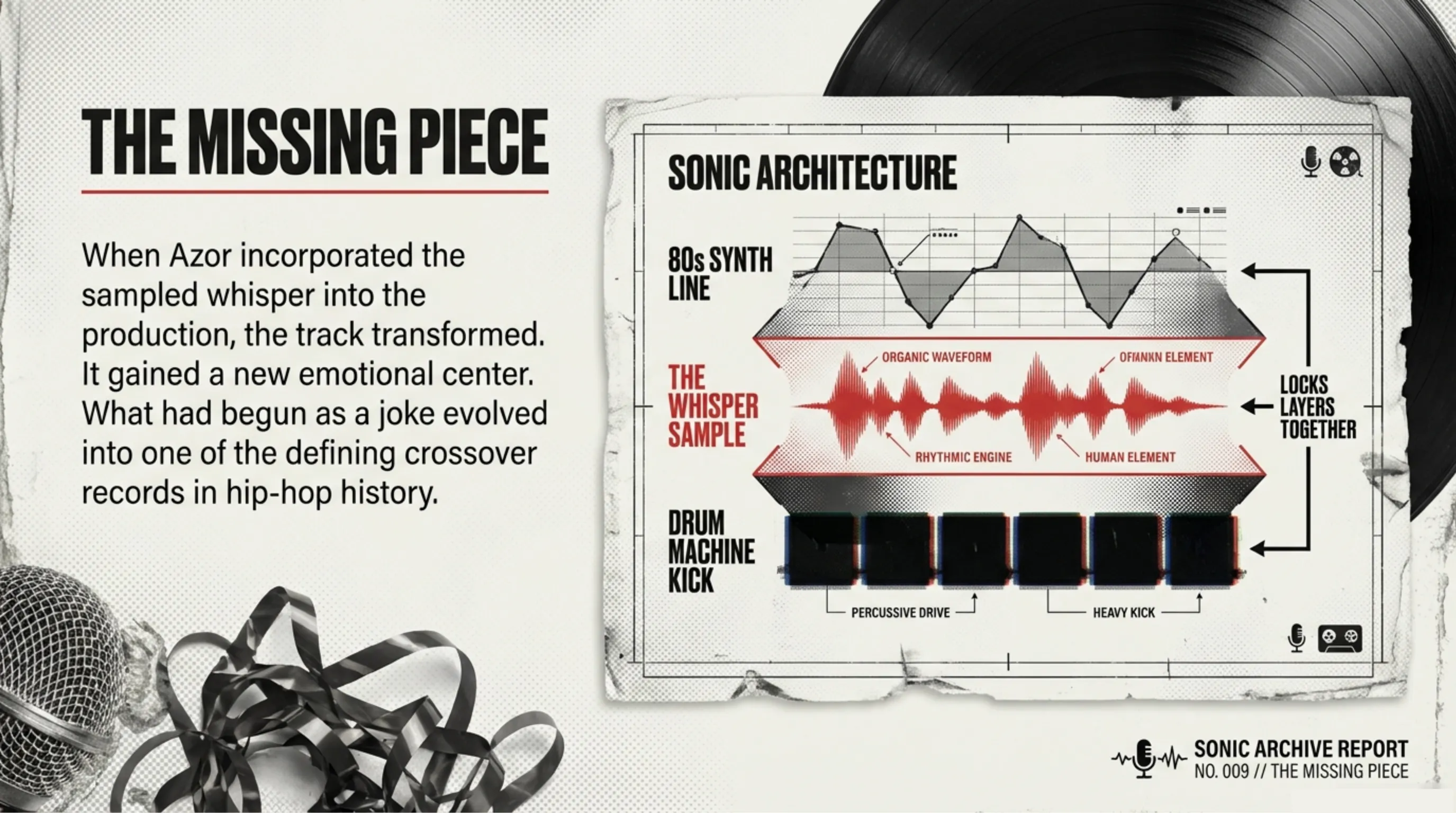
Sometimes even a single vocal breath or phrase—barely noticeable in its original recording—could become the defining sonic element of a new song.
The whisper heard in Push It illustrates exactly how these musical transformations occur.
FROM MIDWEST FUNK TO GLOBAL HIP-HOP
The journey of that vocal moment tells a larger story about the interconnected nature of music.
A singer recording a funk track in the American Midwest in the 1970s could not have imagined that decades later a fragment of that recording would become embedded in a global hip-hop anthem.
Yet this kind of transformation is common in music history.
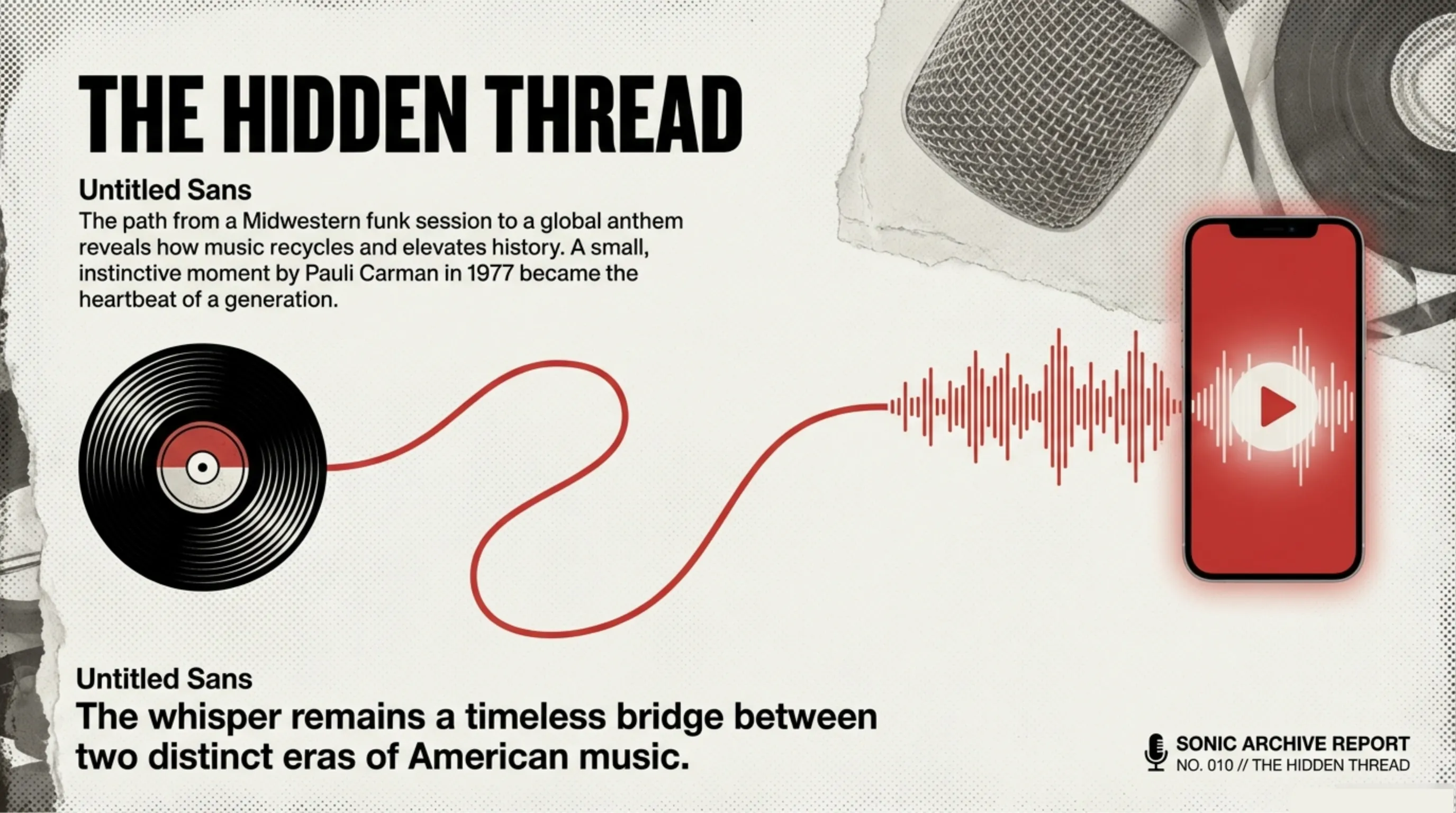
Sounds travel from recording studios to vinyl records, from vinyl records to DJs, and from DJs into samplers and drum machines. Each generation of musicians reshapes the sounds it inherits from the past.
In this case, the voice of Pauli Carman traveled from a regional funk recording into one of the most recognizable songs in modern popular culture.
WHY THIS STORY MATTERS
Understanding the origin of a sound like the whisper in Push It reveals how deeply interconnected modern music truly is.
Hip-hop did not emerge in isolation. It evolved through decades of funk, soul, and R&B recordings that provided the raw materials for new musical creativity.
Artists such as Pauli Carman represent an important part of that lineage. Their recordings, performances, and musical contributions helped shape the sonic landscape that later generations would transform into new genres.
Recognizing these connections helps illuminate the broader cultural story behind the music we hear today.
DOCUMENTING THE VOICE BEHIND THE WHISPER
The goal of The Voice Behind the Whisper project is to document and explore the cultural history surrounding this remarkable musical connection.
By tracing the lineage of a single vocal moment—from a 1970s funk recording to a globally recognized hip-hop anthem—the story highlights the ways music travels through time and across genres.
Sometimes the most influential sounds are not the loudest ones.
Sometimes they are a breath.
A whisper.
A moment captured in a studio decades ago that continues to echo through popular culture.
And in this case, that whisper carries with it the voice of Pauli Carman, whose work helped shape a unique thread in the evolving tapestry of modern music.
LISTEN AND EXPLORE
Explore the music connected to this story:
• Push It
• Keep On Pushin’
• Champaign recordings featuring Pauli Carman
ABOUT THIS PROJECT
The Voice Behind the Whisper documents the musical lineage behind one of the most recognizable vocal moments in modern music history. By connecting funk, R&B, and hip-hop culture, the project explores how sounds travel across decades and genres, shaping the music we hear today.
HOW A 1970s FUNK RECORDING HELPED SHAPE A HIP-HOP ANTHEM
The history of modern music is filled with surprising connections between generations of artists. One of the most fascinating examples can be heard in the famous whisper embedded in Push It.
For millions of listeners around the world, that brief breathy vocal has become an instantly recognizable sound. The track helped propel hip-hop into the global mainstream during the late 1980s, becoming a staple of dance floors, radio stations, and pop culture.
Yet the origin of that vocal element traces back to an earlier era of music.
Nearly a decade before the rise of mainstream hip-hop, a funk track titled Keep On Pushin’ was recorded by the group Coal Kitchen. Within that recording was a distinctive vocal moment delivered by Pauli Carman.
At the time, the recording circulated primarily within regional music communities. Like many funk records of the 1970s, it existed within the vibrant network of DJs, musicians, and collectors who appreciated the sound of analog groove-based music.
What no one could have predicted was that a small vocal fragment from that recording would eventually travel across genres and decades to become part of one of hip-hop’s most recognizable songs.
This journey illustrates the way music evolves. Sounds are rarely confined to the era in which they were recorded. Instead, they move through time, rediscovered by new artists who reinterpret them within new musical contexts.
The whisper heard in Push It is one such example—a small moment in a 1970s funk recording that ultimately found a second life within the sound of global hip-hop.
PAULI CARMAN AND THE LEGACY OF CHAMPAIGN
Long before the whisper connected to hip-hop history began circulating among music fans, Pauli Carman had already established himself as an influential voice in contemporary R&B.
Carman became widely recognized as the lead vocalist of the Illinois-based group Champaign. The band rose to international prominence in the early 1980s with their hit single “How ’Bout Us,” a smooth ballad that helped define the quiet-storm era of R&B radio.
The song charted internationally and remains one of the most beloved recordings of the decade. Carman’s distinctive vocal delivery—emotional, expressive, and unmistakably soulful—became the centerpiece of the group’s sound.
Beyond his role as a vocalist, Carman also contributed as a songwriter and musician, helping shape the musical direction of the group.
While many listeners associate his voice primarily with Champaign’s classic recordings, his earlier work with Coal Kitchen reveals another fascinating dimension of his musical journey.
That earlier recording would later intersect with the world of hip-hop in a way few artists could have predicted.
The story of Pauli Carman demonstrates how musicians often contribute to cultural history in ways that extend far beyond the original context of their recordings.
HOW SAMPLING CONNECTS GENERATIONS OF MUSIC
Modern music is built upon layers of sound.
From jazz improvisations to funk grooves and hip-hop beats, each generation of musicians draws inspiration from the recordings that came before.
One of the most powerful creative tools to emerge from this tradition is sampling.
During the late 1970s and early 1980s, DJs began experimenting with vinyl records, isolating drum breaks, vocal fragments, and instrumental passages that could be incorporated into new compositions. This technique eventually became a cornerstone of hip-hop production.
Sampling allowed artists to transform earlier recordings into entirely new musical experiences.
A drum break from a funk record could become the rhythmic backbone of a rap track. A horn section from a soul recording could evolve into a powerful new hook.
In some cases, even a small vocal moment—barely noticeable in its original recording—could become the defining element of a new song.
The whispered vocal element associated with Push It offers a fascinating example of this phenomenon.
The sound traces back to the recording Keep On Pushin’, where vocalist Pauli Carman contributed the vocal texture that would later resonate with global audiences.
Stories like this reveal how music travels through time. A sound captured in a studio decades ago can find new life in a completely different genre, reaching listeners far beyond its original audience.
PRESS UPDATE
About R.O.T.N. (Return Of The Nerd)
R.O.T.N. is a creative IP development studio focused on AI-driven media and intellectual property systems. Website: thevoicebehindthewhisper.com
About Pauli Carman
Pauli Carman is a recording artist and the lead voice behind the group Champaign, known for hit singles including “How ’Bout Us,” “Try Again,” and “Dial My Number.”
Website: paulicarman.com champaignband.com
Media Contact
Email: [email protected]
Phone: 818-209-3281
Social: linkedin.com/in/johnielewistidwellj
PRESS RELEASE
FOR IMMEDIATE RELEASE
THE PAULI CARMAN SONIC IDENTITY INITIATIVE INTRODUCES
A NEW FRAMEWORK FOR ARTISTS IN THE AGE OF ARTIFICIAL INTELLIGENCE
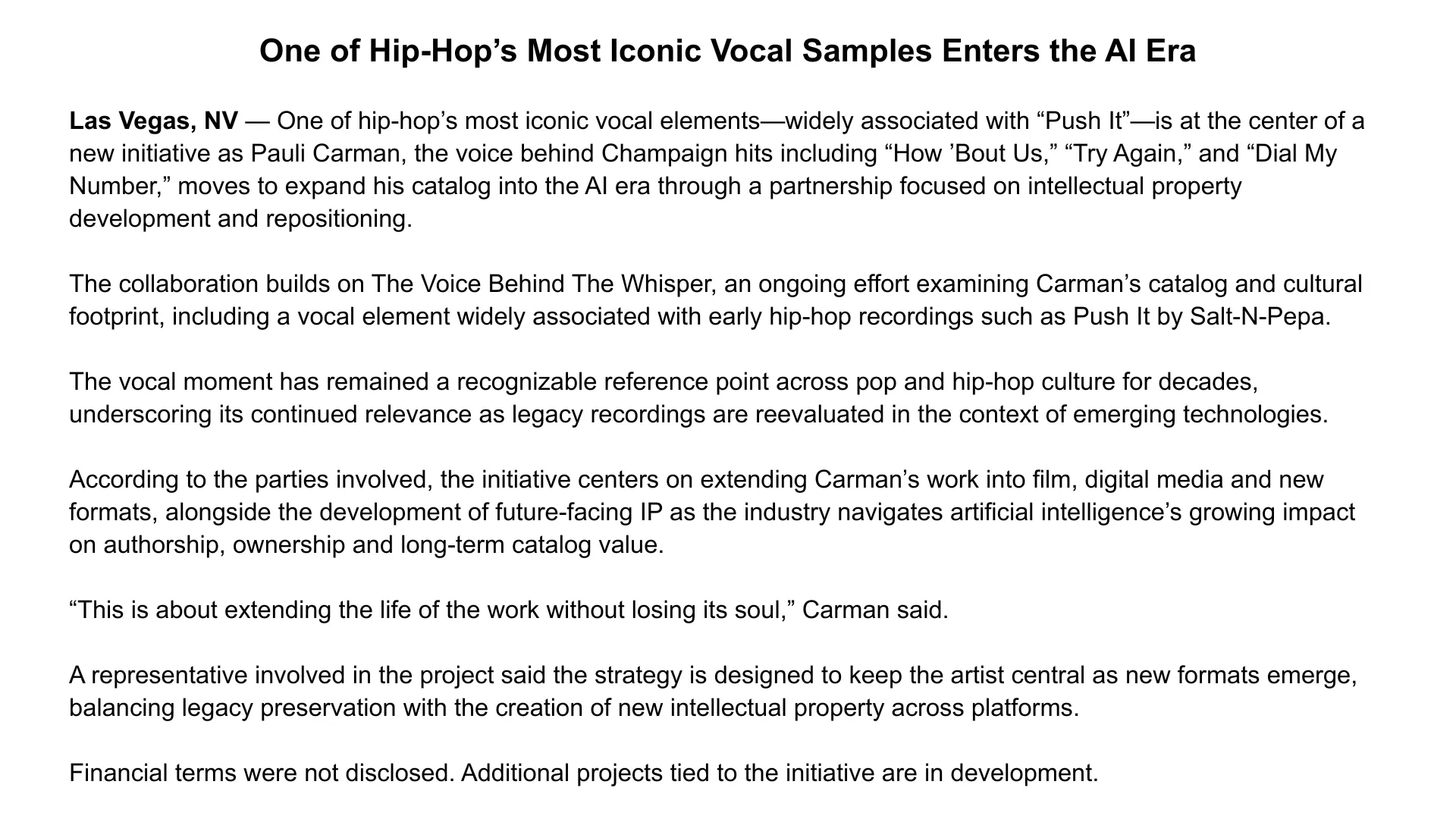
Las Vegas, Nevada — The rapid evolution of artificial intelligence is transforming how music and media are created. New technologies can now generate songs, replicate vocal styles, and produce performances that resemble established artists.
A new initiative called The Pauli Carman Sonic Identity Initiative is exploring how artists can preserve and manage their voice, likeness, and musical legacy while enabling new generations of creators to build upon that legacy responsibly.
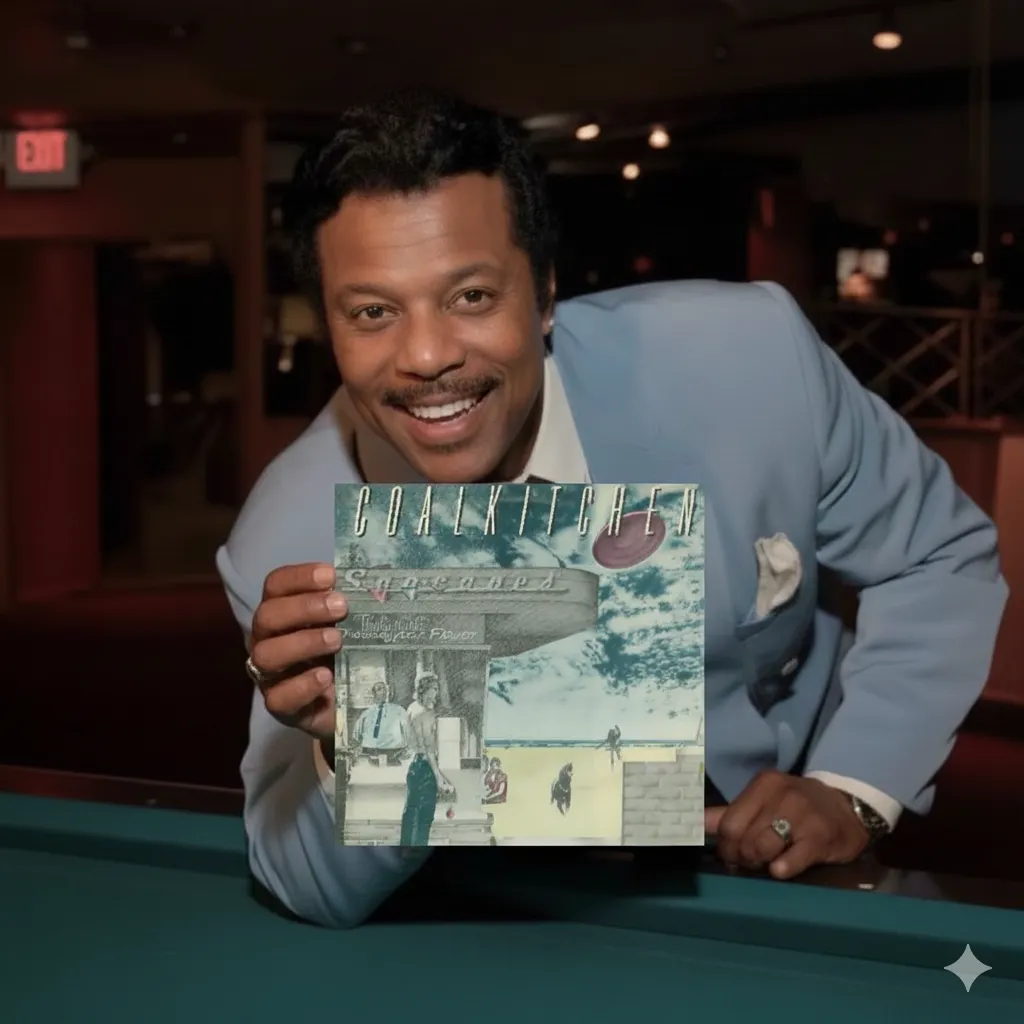
The project focuses on the work of Pauli Carman, the internationally recognized lead vocalist of the R&B group Champaign, whose hit How ’Bout Us became one of the defining ballads of the 1980s. Earlier in his career, Carman was the vocalist, drummer, and songwriter for the Illinois funk band Coal Kitchen.
The initiative proposes a framework that treats an artist’s voice and creative style as a sonic identity—a creative asset that can be preserved, licensed, and authenticated in the age of generative media.
The framework explores tools such as:
• sonic fingerprint modeling to identify voice likeness
• licensing systems allowing creators to build new works responsibly
• digital provenance records tracking authorized projects
• monitoring systems capable of detecting synthetic voice replicas
• revenue participation models ensuring artists share in the value of new creations
Rather than restricting creativity, the initiative encourages collaboration between artists and creators through transparent attribution and licensing.
The project is being developed by Return Of The Nerd — Special Projects Lab, a creative research initiative focused on music history, storytelling, and emerging technologies.
The initiative invites musicians, technologists, filmmakers, and creators to participate in the ongoing exploration of how artistic identity can evolve responsibly in the AI era.